
Best Shoes for High Arches Women 2026: Podiatrist Picks for Supination
Not yet bench-tested. This guide was written by Tom Biernacki, DPM, FACFAS from clinical experience and moved to Podiatrist Tested from the practice’s patient library. The products named here have not been measured or worn under the Podiatrist Tested standard, so no scores and no Seal appear on this page. Tested reviews replace these recommendations as they are published.
Written and medically reviewed by Dr. Tom Biernacki, DPM, FACFAS · Last reviewed 16 October 2026
We earn a commission if you buy through links on this page, including Amazon links paid by brand partners through Levanta, at no cost to you. As an Amazon Associate I earn from qualifying purchases. How we make money
On this page
- What High Arches Actually Need in a Shoe
- Best Shoes for High Arches Women (2026)
- Which of the four actually cushions most? What a lab measured
- Fitting a Women’s Shoe to a High-Arched Foot
- When Supination Is More Than a Shoe Problem
- The numbers, side by side
- Frequently Asked Questions
- The Bottom Line
- Related guides & shoe pages
Any stack heights, drops, weights, heel-cup depths or other dimensions quoted on this page are published specifications or credited independent laboratory measurements, as labelled in the relevant section. They are not Podiatrist Tested measurements or evidence that a model treats painful high arches.
Podiatrist Tested is reader-supported. Links to Amazon are affiliate links; commissions never influence a recommendation or a score. Read the independence policy.
Correction (7 October 2026): Corrected women’s weights and source attribution, removed unverified stack comparisons, and clarified that arch height alone does not determine a shoe or orthotic prescription. These changes do not represent new bench or wear testing.
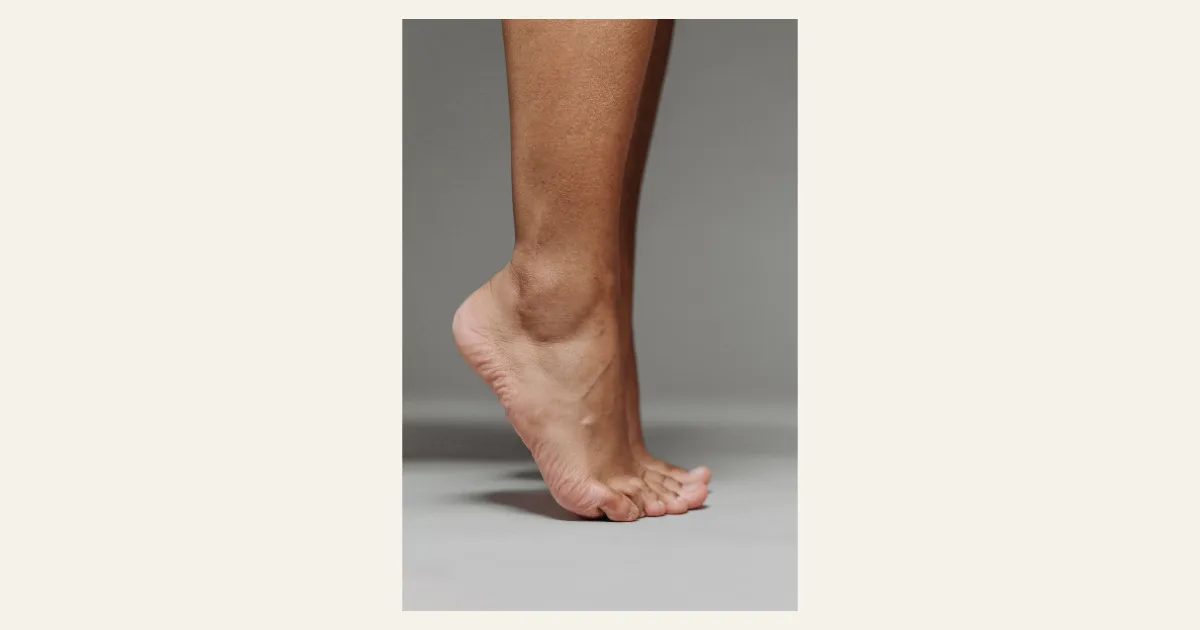
A high arch can be flexible or rigid, and not every high-arched foot has symptomatic cavovarus alignment or excessive supination. Painful cavus feet may concentrate pressure at the heel and metatarsal heads and can need footwear or orthotic accommodation. This guide compares design options; it does not establish that cushioning alone is enough or that arch support is always harmful.
Model versions: the current versions of three shoes named below are the Gel-Nimbus 28, the New Balance 1080v15 and the Brooks Ghost 18.
What High Arches Actually Need in a Shoe
For a painful high-arched foot, compare comfortable cushioning, usable toe depth, secure heel fit and room for any prescribed device. Forefoot flexibility and rocker shape should suit the activity and symptoms; neither maximum softness nor maximum flexibility is a universal requirement. Orthotic design depends on alignment, flexibility and pressure areas. Some cavovarus patterns need limited medial arch contact and specific accommodation, but this is not a blanket ban on support. A randomised trial in 154 people with painful cavus feet found individually fitted custom orthoses improved pain and function more than sham insoles. The trial reanalysis describes polypropylene shells with cushioning, so effective support need not be a soft insert alone.
Best Shoes for High Arches Women (2026)
1. Hoka Bondi 9 — Cushioned Rocker Option — check price on Amazon (women’s) · spec review
The Bondi 9 is a highly cushioned neutral option with HOKA’s Smooth MetaRocker and a broad base. Consider whether its rocker, toe room and heel retention feel comfortable for your activity. Those features do not demonstrate reduced lateral forefoot stress, treatment of metatarsalgia or protection against a recurrent stress fracture. Women’s regular, wide and extra-wide fittings are listed by HOKA; the current US list price is $175 before discounts. This is a design-based option, not a tested clinical winner.
2. Brooks Ghost 18 — Best Everyday Running/Walking Shoe for High Arches —
The Ghost 18 is a neutral shoe with excellent cushioning and a semi-curved last that accommodates high arch foot shape naturally. The DNA LOFT v3 foam adapts to your step pattern without adding corrective elements. It’s one of our most consistently prescribed shoes for high-arch women who want a versatile shoe for both walking and running. Around $150. Best for: high arches with no specific injury pattern, first shoe change from an inappropriate motion control shoe, runners with supination.
3. ASICS Gel-Nimbus 28 — Highly Cushioned Neutral Option —
The GEL-NIMBUS 28 combines FF BLAST PLUS cushioning with PureGEL technology and is sold by ASICS as a maximum-cushion neutral shoe. It is an option to compare when you prefer substantial cushioning. A women’s model does not establish a last optimised for high arches, and this page does not demonstrate better joint-pain outcomes or suitability for every high-mileage wearer. Around $170; compare actual instep depth, toe room and heel fit.
4. New Balance 1080v15 — Infinion Cushioning Option —
The 1080v15 uses Infinion foam, replacing Fresh Foam X, and New Balance lists it as a neutral shoe with a 6 mm drop. Its women’s page publishes 205.9 g (7.3 oz); this is a brand reference figure, not our measurement. Neither foam softness nor a wide fitting proves that a shoe relieves metatarsal pain, protects a healing fracture or accommodates every claw toe. Check usable toe height, width and room for any recommended device. Around $170; different widths are available.
Key takeaway: A neutral, comfortably cushioned shoe is one option to compare, rather than a mandatory category for every high-arched foot. Do not discard clinician-prescribed support or change category solely because of arch height. Judge the complete shoe-and-device fit and the reason for symptoms.
⚠️ See a podiatrist if you have high arches and experience:
- Lateral ankle sprains that keep recurring — structural high-arch foot (pes cavus) increases instability risk substantially
- Stress fractures in the metatarsals — if you’ve had more than one, your foot mechanics need formal evaluation
- Progressive claw toe deformity — intrinsic muscle weakness in cavus feet causes toe contractures that worsen over time
- Persistent or worsening heel or ball-of-foot pain, especially focal bone pain or pain after an injury — do not use a six-to-eight-week shoe trial as a reason to delay assessment
Which of the four actually cushions most? What a lab measured
A high, rigid arch does not flatten much when you land, so it does less of its own shock absorbing and puts more of your weight through the heel and the ball of the foot. That makes the shoe’s cushioning the number that matters most here, and it is not the one on the box. RunRepeat’s lab measures it directly, along with how firm the foam is and how hard the forefoot is to bend. Here are this page’s four picks, most shock-absorbing first.
| Shoe | Heel shock absorption | Foam firmness (Asker C) | Heel stack | Forefoot stack | Force to bend |
|---|---|---|---|---|---|
| New Balance 1080v15 | 147 SA | 21.5 (softest) | 37.0 mm | 30.6 mm | 15.1 N |
| HOKA Bondi 9 | 146 SA | 43.0 (firmest) | 41.3 mm | 32.2 mm | 16.5 N |
| ASICS Gel-Nimbus 28 | 137 SA | 38.8 | 39.5 mm | 34.3 mm | 23.1 N |
| Brooks Ghost 18 | 135 SA | 40.5 | 37.3 mm | 25.1 mm | 12.3 N |
RunRepeat lab figures, read from each shoe’s review on 16 October 2026. Shock absorption is in the lab’s SA units, higher is more; the average of the 416 running shoes it has tested is 131. Foam firmness is Asker C, lower is softer; the average is 35.4. Stacks are the lab’s own measurements; force to bend is in newtons, higher is stiffer.
The cushioning pick is the New Balance 1080v15, not the Gel-Nimbus 28. The 1080v15 absorbs the most shock of the four and its foam is by far the softest, the combination a stiff, high-arched foot does best in. The HOKA Bondi 9 absorbs almost as much from a much firmer foam on the tallest heel, which suits a heavier walker, or anyone who supinates and finds a very soft shoe wobbly, because the firm, broad base resists rolling outward. The Gel-Nimbus 28 comes third on shock absorption but has the stiffest forefoot of the four, the second stiffest of the 35 shoes in our bend-test ranking, so it is the one to pick if the ball of your foot is what hurts. The Ghost 18 is the lightest-feeling of the four, with the thinnest forefoot and the most flexible sole: a good everyday shoe for a high arch that is not giving you trouble, and the first to drop if the ball of the foot starts to ache.
Supination and Underpronation: How the Terms Are Used
Pronation and supination are normal motions during gait, rather than diagnoses on their own. Shoe advice often uses “supination” or “underpronation” to describe a foot remaining more outward-loaded or pronating less during part of stance. The timing, amount, flexibility and symptoms matter; a high arch alone does not establish an abnormal pattern.
Pressure can be concentrated in a symptomatic cavus foot, but shoe selection also depends on alignment, activity, fit and any prescribed accommodation. More cushioning does not automatically normalise that movement or prevent injury.
How to Read the Wear Pattern on Your Own Shoes
Before you buy anything, go get the pair you have worn the most, set them on a table, and look at them from behind at eye level. This is the single most useful thing you can do at home, and it costs nothing.
Look for uneven outsole wear, compressed cushioning and a shoe that leans on a level surface. These observations can help assess shoe condition, but do not diagnose supination or the cause of pain. Outer-heel wear is common even in people without an abnormal supination pattern.
A prospective study of infantry recruits found mainly posterolateral heel wear, which was not related to the measured subtalar-motion factors or arch height. Bring the worn shoes to a fitting or clinical assessment as supporting information, rather than treating one wear pattern as a definitive answer.
Bring that pair with you if you come in. I learn more in ten seconds from a well-worn shoe than from several minutes of questions.
Fitting a Women’s Shoe to a High-Arched Foot
A high arch may come with a high instep, but arch height, instep depth and foot width are separate dimensions. Measure the foot and inspect usable shoe volume rather than assuming every high-arched foot needs the same fitting.
Width is horizontal room; volume includes room above the footbed. A high instep can create lace pressure. A wider fitting can help if width is insufficient, but should still retain the heel. Women’s lasts and depth vary by model; a women’s label does not guarantee a particular heel or instep shape.
Start with adequate length and width, then assess toe height, instep pressure and heel hold while standing and moving. Adjust lacing if it helps without creating slippage. If pressure remains, compare another size, width or model; half a size up does not invariably cause heel slip.
The Heel Counter and the Heel Bevel
The heel counter and heel bevel are features to inspect, alongside heel fit and the rest of the shoe.
The heel counter is reinforcement around the heel. A squeeze test shows some structural stiffness, but does not establish that a shoe holds the heel upright or prevents ankle rolling. Compare actual heel retention, collar pressure and comfort during movement. The suitable amount of forefoot or rearfoot stiffness depends on symptoms and any prescribed support.
A heel bevel changes the shape of initial ground contact. It may affect how a shoe rolls through a step, but a visual bevel check does not establish a pain benefit or show that casual shoes are unsuitable for every high-arched foot.
Lacing a High Instep
A high arch means the laces close over your instep sooner, and the reflex is to loosen everything until it stops pressing. Then the heel slips, the foot slides forward, and you have traded pressure for instability — a poor trade when your foot already drifts to the outside.
Lace it in two zones instead. Over the high point of the instep, skip a pair of eyelets, or run the lace straight across that section rather than crossing it, so the pressure spreads out instead of concentrating in an X on the sorest spot. Then take up the top two eyelets snugly, so the collar holds the back of your foot down and seated in the heel counter. The result is a shoe that is loose where your foot is tall and firm where your foot needs holding, which is the opposite of what one uniform lace tension gives you.
One practical detail: do the final tightening standing up, with weight through the foot. A high arch flattens a little under load, and a shoe laced while seated is usually a shoe that is too tight once you stand.
When Supination Is More Than a Shoe Problem
Shoes handle the mechanics. They do not handle everything a rigid, high-arched foot tends to bring with it, and a few patterns are worth recognizing early.
Peroneal tendon problems can occur alongside cavovarus alignment, but outer-ankle or outer-foot pain has several possible causes and cannot be identified from arch shape or location alone. My peroneal tendonitis treatment guide and best shoes for peroneal tendonitis discuss assessment and design considerations; they do not establish that one midsole or outsole unloads those tendons in every wearer.
The second is repeat ankle sprains. A foot that sits slightly rolled out starts every step closer to the position an ankle sprains in, so it takes less to tip past the edge. If you have turned the same ankle more than once or twice, that is worth evaluating rather than filing under clumsiness — each sprain stretches the outer ankle ligaments a little further and makes the next one easier.
A callus can suggest a local pressure area, but does not prove the source of bone pain. Localised outer-foot pain that worsens with activity needs clinical assessment, especially when a stress fracture is possible. Early radiographs can be normal; the clinician decides whether imaging or further investigation is needed. My shoes for stress fractures guide explains why injury site and prescribed protection matter.
Calf tightness can accompany cavus alignment. If ankle movement is limited, a clinician can distinguish muscle tightness from a fixed restriction and advise whether stretching is appropriate. A home movement check does not establish that calf stretching is mandatory or quantify its contribution to recovery.
None of this means a high arch is a defect to be corrected. Plenty of people supinate mildly, wear a sensible neutral shoe, and never think about it again. It means that when you are in pain, the shoe is the first step and not always the last one.
The numbers, side by side
Every shoe named above has a specification page on this site. Here are the figures in one place, so you can see how the picks differ before you read the reasoning for each one.
| Shoe | Published drop | Published women’s weight |
|---|---|---|
| ASICS GEL-NIMBUS 28 | 8 mm | 242 g |
| New Balance 1080v15 | 6 mm | 205.9 g |
| Brooks Ghost 18 | 10 mm | 260.8 g |
| HOKA Bondi 9 | 5 mm | 9.30 oz (~264 g) |
Correction note: This women’s guide previously displayed men’s reference weights. The weight column now uses the manufacturers’ current women’s listings: ASICS, New Balance, Brooks and HOKA. HOKA publishes ounces; the gram figure is an approximate conversion. These are published reference weights, not our measurements or a comparison of identical sample sizes.
The table shows published heel-to-toe drop and current women’s manufacturer reference weights. Sample size and measurement method can differ, so the weights are not a comparison of identical sizes. Stack-height columns have been removed because a consistent, sourced comparison of the women’s versions was not established. See the linked reviews for separately attributed geometry; none of these figures is our own measurement or a clinical outcome.
Published and independent laboratory drop figures can differ because of measurement method and sample. A discrepancy cannot always be assigned to missing forefoot millimetres, and drop alone does not establish pressure relief or treatment benefit. Our heel-to-toe drop chart identifies the sources side by side.
Frequently Asked Questions
Do high arches need arch support? Sometimes. A high arch does not by itself determine whether support is helpful or harmful. Orthotic contact and accommodation should match foot alignment, flexibility and painful pressure areas; a prominent medial arch can be unsuitable for some cavovarus patterns, while a fitted device can help others.
Are custom orthotics helpful for high arches? They can help painful cavus feet. A randomised trial found individually fitted custom orthoses improved pain and function more than sham insoles. Effective devices may combine a supportive shell with cushioning and accommodation; there is no universal soft-only design or guarantee that every insert helps.
What do podiatrists recommend for high arches? Assessment of symptoms, flexibility, alignment and fit should guide the choice. Comfortable cushioning, usable toe and instep room, secure heel fit and any prescribed accommodation are useful factors to compare. Stability footwear and supportive orthoses are not automatically excluded by a high arch. Persistent pain, recurring sprains, progressive deformity, weakness or numbness deserve evaluation; do not wait for a fixed shoe trial when symptoms are worsening.
What are some good shoes for women with high arches? HOKA Bondi 9, Brooks Ghost 18, ASICS Gel-Nimbus 28 and New Balance 1080v15 are neutral design options to compare. None has completed the Podiatrist Tested bench or wear protocol, and this page has no trial showing that one is best for high-arch pain or fracture recovery. Compare actual length, width, toe height, instep pressure and heel fit; adjust lacing or try another fitting if needed.
The Bottom Line
Compare footwear by the actual fit, comfort, activity and support your foot needs. The four models above provide neutral design options, but neither arch height nor cushioning alone selects a clinical winner. If a prescribed device or shoe is uncomfortable, review that fit with the clinician; this guide cannot promise a significant improvement within two weeks of a category change.
Recently reviewed
Individual shoe pages state their evidence tier, published measurements and who should skip them.
Saucony Endorphin Speed 5
Spec AnalysisLight plated neutral trainer. Saucony publishes both stack heights and they match its 8 mm drop — not yet tested.
HOKA Mach 6
Spec AnalysisLower, firmer neutral HOKA. HOKA publishes a 5 mm drop and neither stack height — not yet tested.
ASICS Novablast 5
Spec AnalysisBouncy high-stack neutral. ASICS publishes an 8 mm drop and neither stack height — not yet tested.
Our funding and evidence policy
We earn affiliate commissions from qualifying purchases. Our policy is to assess published evidence and fit needs rather than rank products by commission rate. Current reviews are specification analyses; see our method for their limits.